


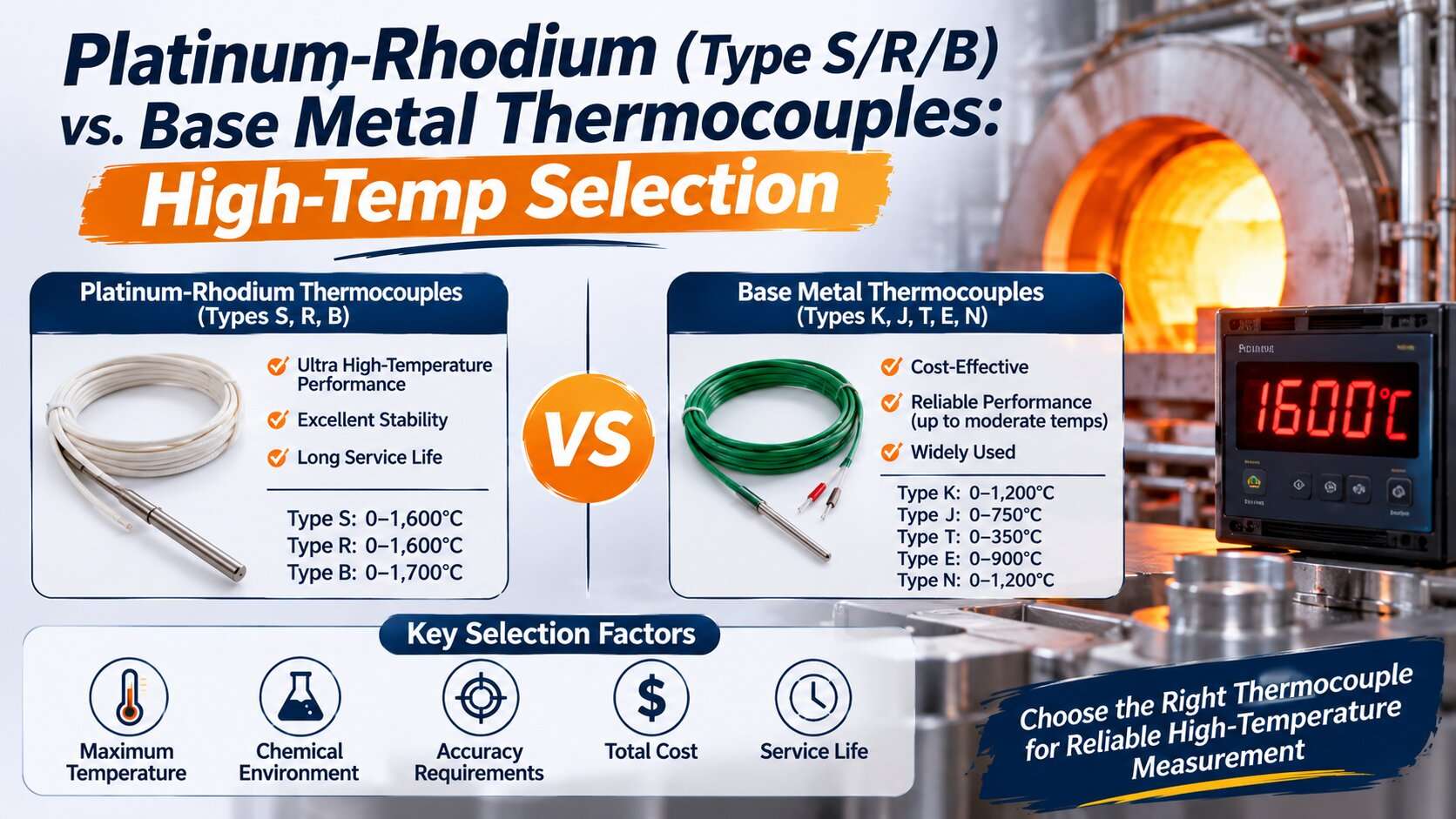
Below about 1,000 °C, a base-metal thermocouple (Type K or N) is the default choice. Above roughly 1,450 °C in air, Type B is the standard choice. The hard decision sits between 1,100 and 1,450 °C, where Type N, Type R and Type S can all work. The right pick depends on atmos
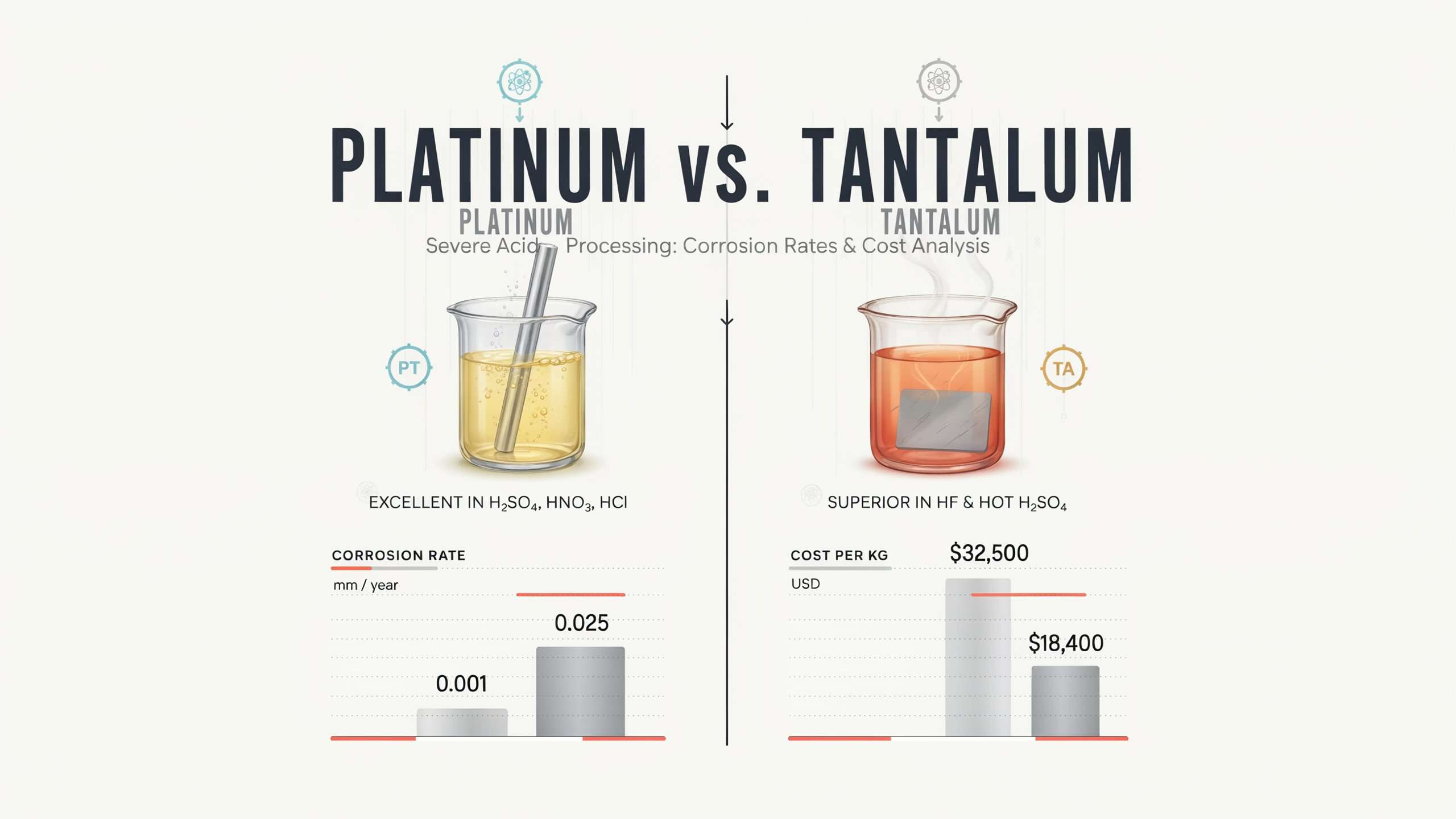
Tantalum is the better choice for most hot hydrochloric and sulfuric acid service, and it costs roughly 60 to 110 times less than platinum per unit volume at November 2026 prices. Platinum tolerates fluoride, which tantalum cannot, but it dissolves in aqua regia and has a poor record in hot conce
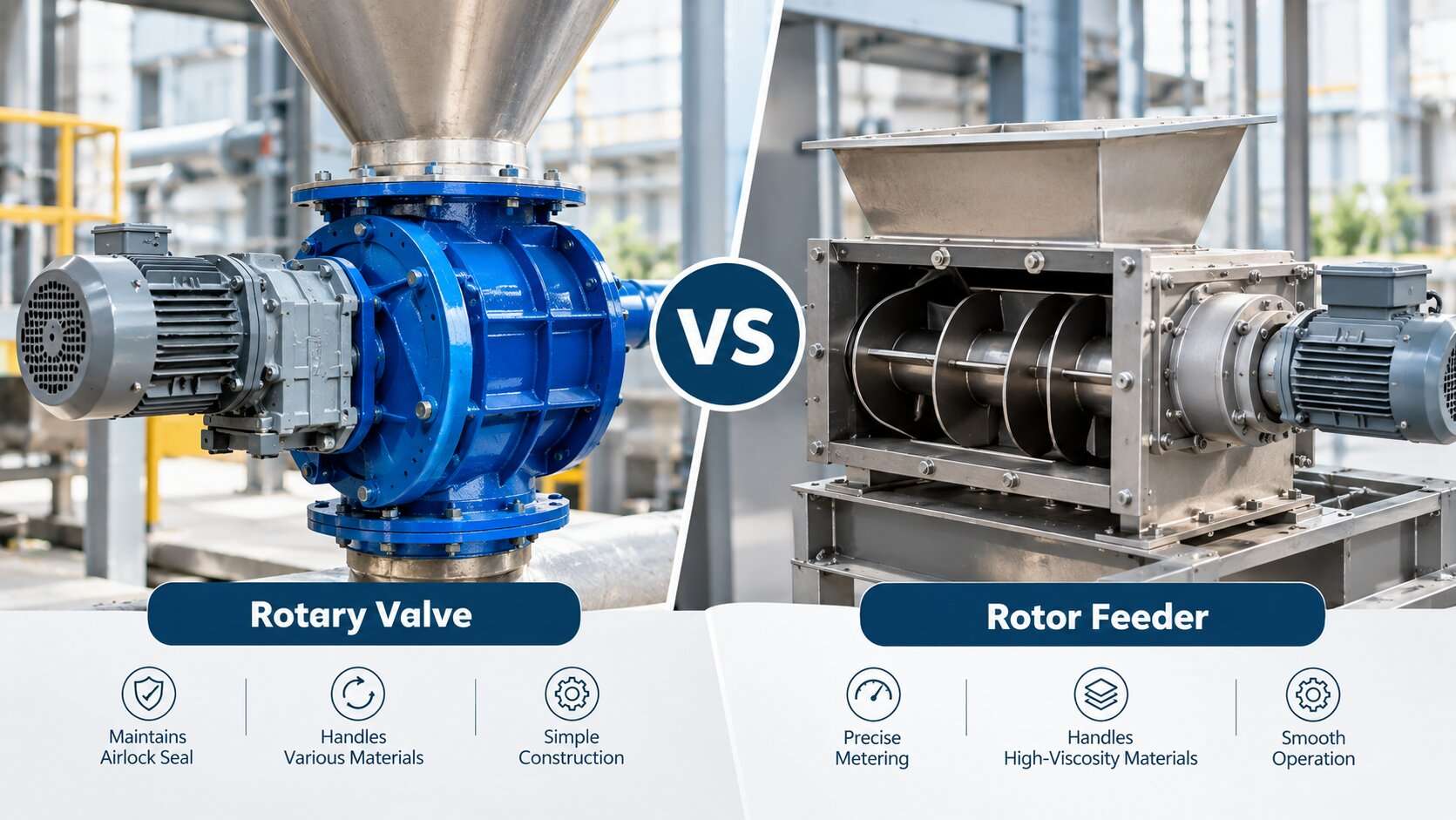
Most rotary valves and rotor feeders are the same machine: a vaned rotor turning inside a housing. What differs is the job you give it. A rotor feeder meters powder. A rotary valve, in the airlock sense, meters powder and also holds back gas or pressure. At room temperature, that differen
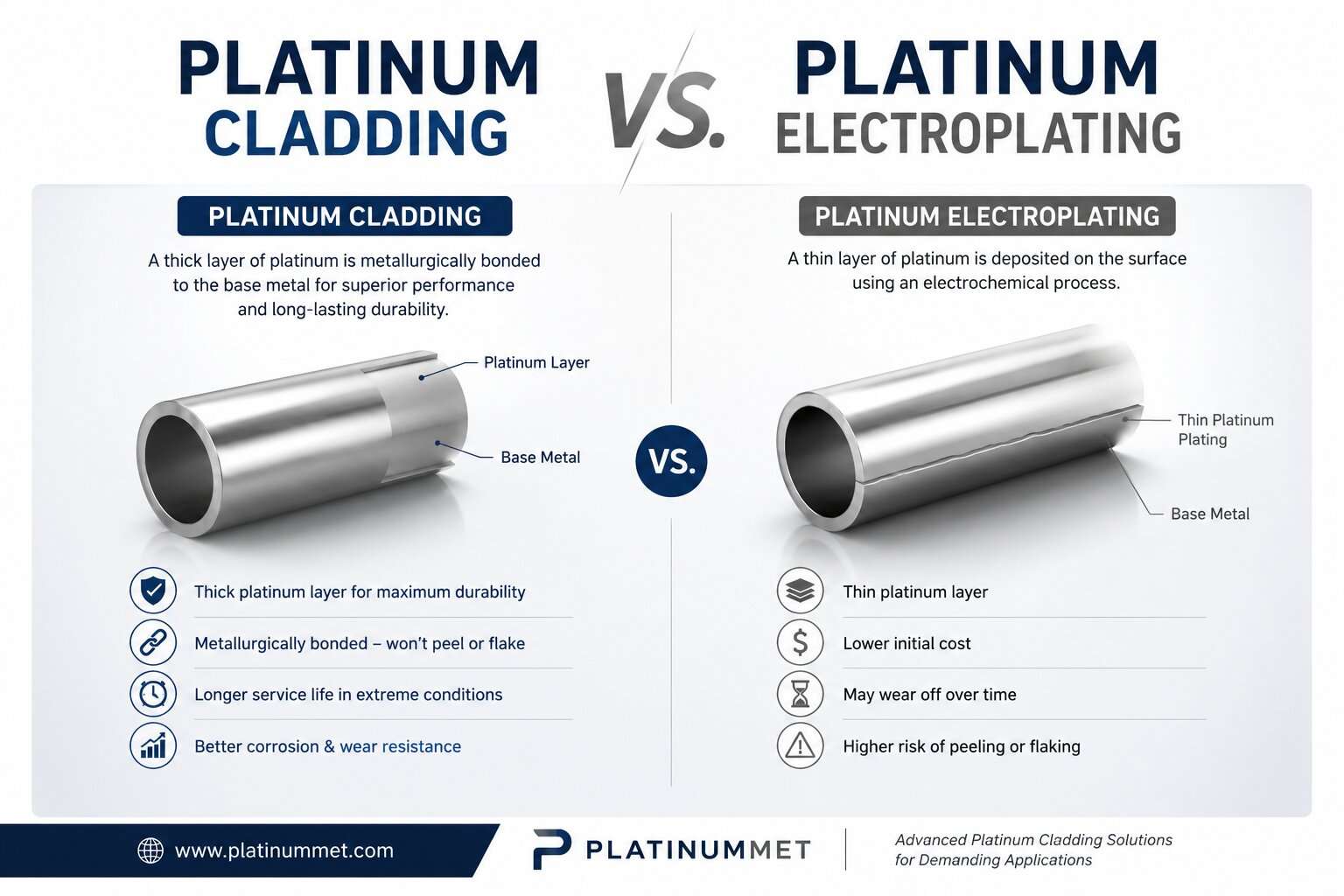
Platinum is chosen for its resistance to corrosion. The irony is that the method used to apply it — cladding or electroplating — determines whether that resistance holds over a service life or quietly accelerates the very failure it was meant to prevent. Both processes put pla
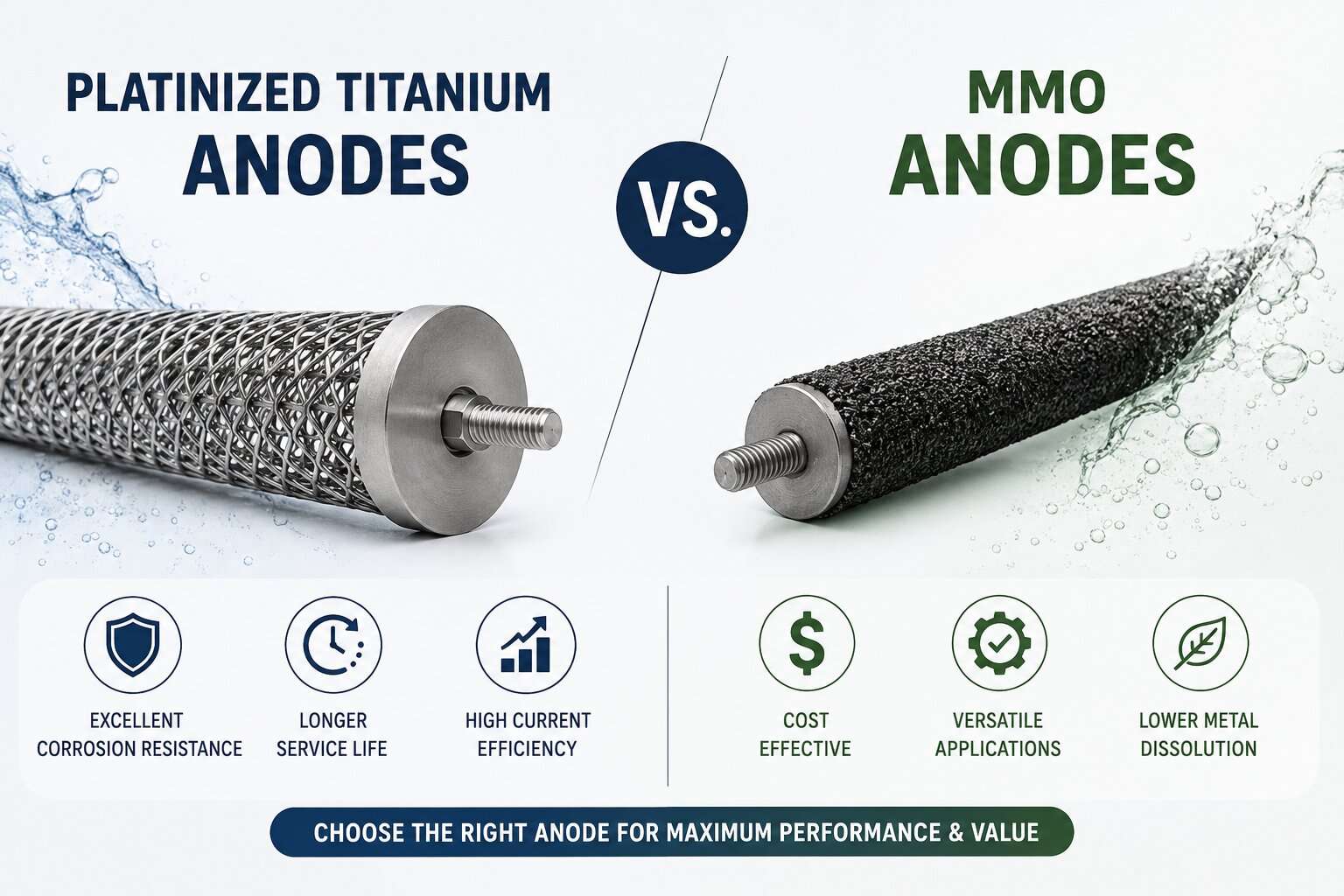
Designing an effective Impressed Current Cathodic Protection (ICCP) system requires choosing an anode that balances electrocatalytic efficiency, mechanical durability, and long-term cost. Dimensionally Stable Anodes (DSAs) featuring titanium substrates have largely replaced traditional high-silic
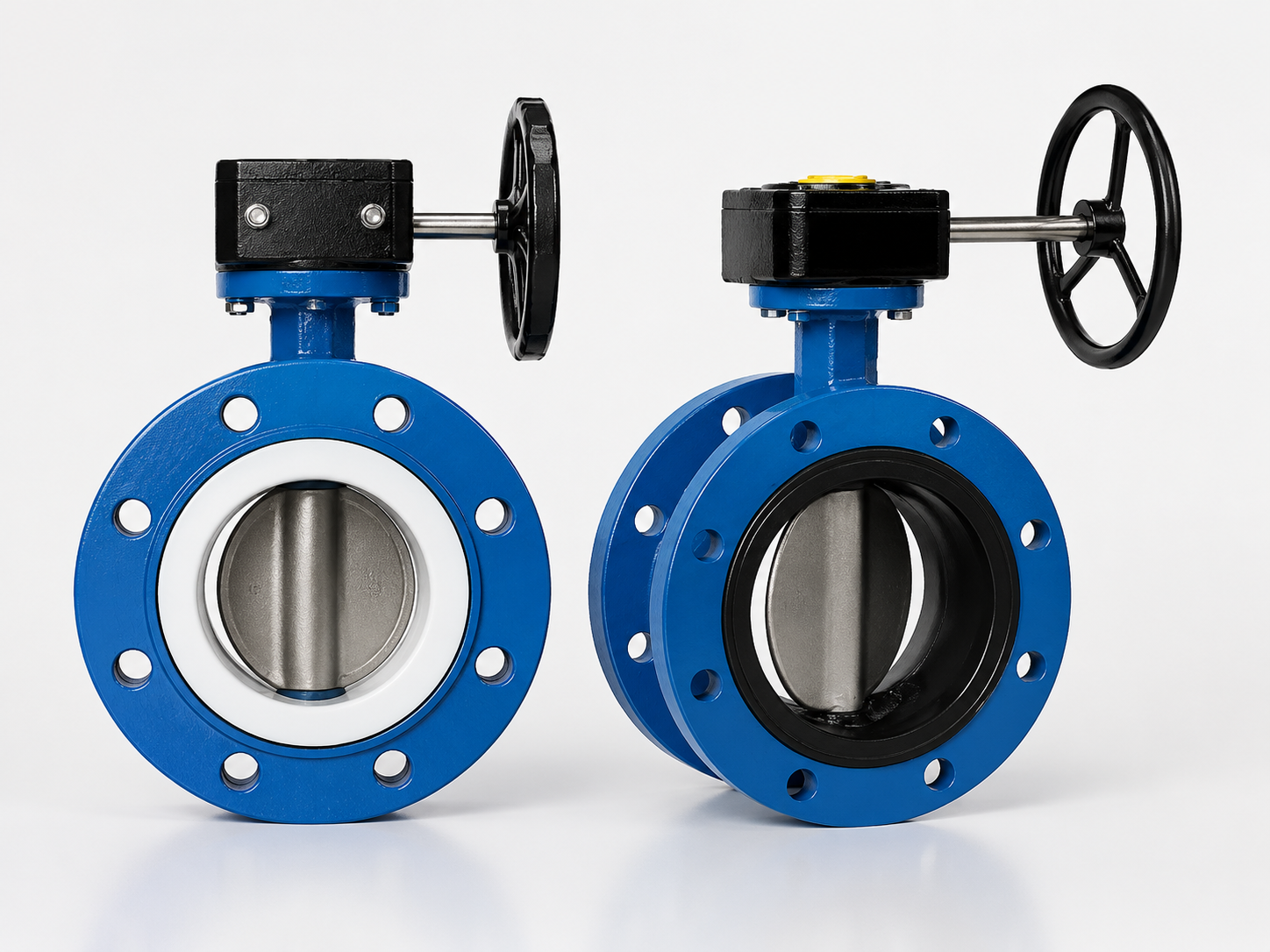
A flange butterfly valve is a quarter-turn valve with flanged ends that bolt directly to matching pipe flanges. A rotating disc inside opens or closes to control flow. Compared to wafer or lug designs, the flanged body gives a stronger, more secure connection for higher-pressure piping systems.