

Why the Metals You Buy Today Define Your Industry's Future | Platinum Metals
The supply chain risk that aerospace, oil & gas, and marine engineers can’t afford to ignore
There’s a conversation happening in procurement offices across the Gulf, in engineering departments in Europe, and on factory floors throughout Southeast Asia. It doesn’t make headlines the way oil prices do. But it’s quietly reshaping how the world’s most demanding industries source the materials that keep their operations running.
The conversation is about specialty alloys and whether you can get the ones you need, when you need them, at a quality you can trust.
The Problem Nobody Talks About Until It’s Too Late
Here’s a scenario that plays out more often than the industry admits.
An oil and gas facility in the Middle East is mid-expansion. Procurement has the budget, engineering has the specs, and the timeline is locked. But the nickel alloy pipes required for a high-temperature, high-pressure application? Backordered. An alternative supplier offers something that looks close on paper but the materials engineer won’t sign off because the composition data doesn’t hold up under scrutiny.
The expansion stalls. The delay ends up costing far more than the components ever would have.
This isn’t a hypothetical. It’s what happens when specialty metal sourcing gets treated as an afterthought. And it happens far more often than project managers want to admit.
What Actually Makes Specialty Alloys Different
Most people know steel is strong and copper conducts electricity. Far fewer appreciate what happens when you push materials to the extremes that modern industry demands.
Nickel-based alloys don’t just resist heat they hold their mechanical properties at temperatures where conventional steel has long since given way. That’s why they’re the standard choice for turbine components in aerospace and downhole equipment in oil and gas. The environment isn’t just hot; it’s chemically aggressive, under serious pressure, and operating in conditions where failure carries real consequences.
Nickel-copper alloys resist seawater corrosion in ways that make them practically irreplaceable in marine engineering. You can work around many material limitations. You cannot work around a material that corrodes in the environment it’s supposed to function in.
Cobalt and tungsten-based alloys bring wear resistance and hardness to applications where everything else degrades over time. In foundries and rolling steel mills, these aren’t premium options they’re the only ones that make sense.
Grade matters. Composition matters. Traceability matters. The difference between a reliable supplier and an unreliable one comes down to whether the alloy you receive is actually the alloy you ordered.
Where Supply Chains Quietly Break Down
Metal doesn’t announce what it is. A bar labeled as a premium nickel alloy looks identical to a cheaper substitute. Without proper verification, you’re trusting a certificate and certificates in global metal trading are only as good as the company behind them.
The procurement teams that get this right have moved past paperwork-based verification. X-ray fluorescence analysis identifies the elemental composition of a metal sample in seconds. It doesn’t replace full material testing for structural applications, but it’s a critical first check one that separates suppliers who actually verify their stock from those who pass along whatever arrived at the dock.
Before committing to any supplier, a few questions are worth asking directly. What instrument-based testing do you run on incoming materials? Can you share full elemental composition data, not just a grade certificate? What does your traceability look like from the original mill to my delivery? Are you affiliated with any industry bodies that hold you accountable?
Vague answers to straightforward questions are an answer in themselves.
Why Geography in the Supply Chain Gets Underestimated
Sharjah has become one of the more strategically useful hubs for specialty metal trading, and there are practical reasons for it.
Sitting between European mills, Asian manufacturers, and the Gulf’s industrial and energy infrastructure, it offers something procurement teams in the region genuinely value: faster delivery without having to trade on quality. When a refinery needs replacement components or a platform needs corrosion-resistant fittings on a short window, a supplier with real processing and logistics infrastructure in the UAE can respond in timeframes that suppliers based in Europe or North America simply can’t.
That said, location only matters if the quality infrastructure backs it up. Being nearby doesn’t help if the material doesn’t meet spec.
Where Demand Is Heading
The industries that rely on specialty alloys aren’t winding down the requirements are growing.
There’s a widely discussed paradox in energy right now: even as renewables expand, upstream oil and gas investment across the Middle East, Africa, and parts of Asia is holding firm. Offshore platforms, LNG terminals, and refinery projects all need the same high-performance, corrosion-resistant alloys they always have. That demand isn’t going away soon.
In aerospace, commercial aviation backlogs at major manufacturers mean suppliers need reliable, certified material pipelines mapped out years ahead. In the marine sector, new vessel classes LNG carriers, offshore wind installation ships, next-generation container vessels are being built to operate longer in more punishing conditions, which pushes material requirements upward.
The specialty alloy market is going to get tighter, not looser. Lead times will come under pressure. Companies that build relationships with verified suppliers now will be better positioned when a project window opens than those still scrambling to find a source.
What a Good Supplier Relationship Actually Looks Like
Treating metal procurement as purely transactional lowest quote, place the order, receive the shipment tends to work fine until it doesn’t. And when it doesn’t, it usually fails at the worst possible moment.
Suppliers worth working with long-term understand the application, not just the order. They’ll tell you honestly whether a grade substitution holds up technically or whether it’s just easier for them commercially. They’ve invested in proper testing equipment, accurate weighing, and handling procedures that protect material integrity from source to site.
Those suppliers exist. They tend not to be the loudest voices in a tender process, because they’re not leading with price. They’re leading with something that takes longer to build and harder to fake: a consistent track record.
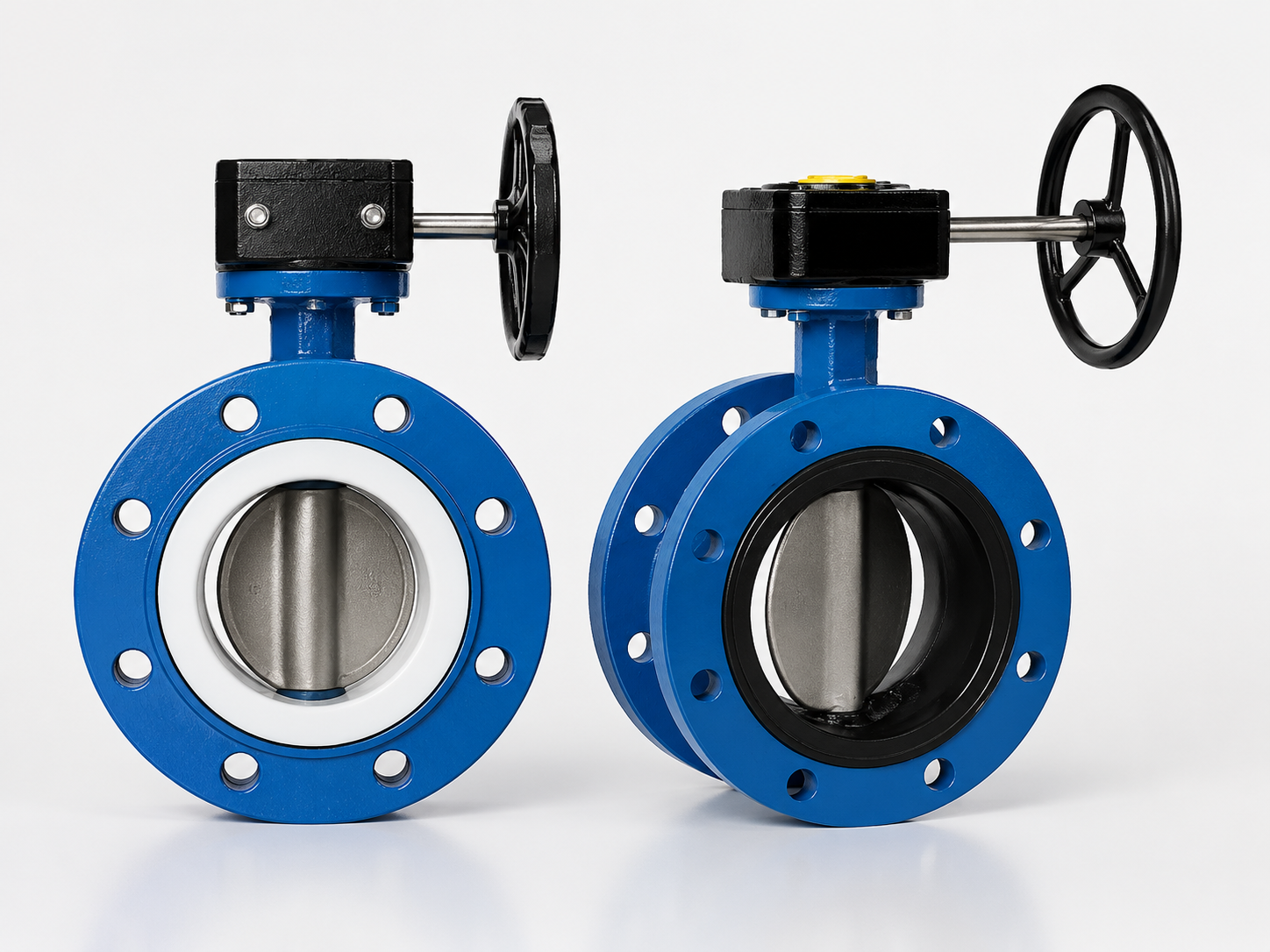
Specialty metals are not interchangeable. The alloy in a valve body on an offshore platform, the rotor material inside an industrial shredder, the fittings running through a marine vessel each was specified for a reason. Getting that specification right, and receiving verified material that actually matches it, is the line between an asset that performs and one that creates problems.
In industries where that line matters, sourcing decisions deserve more than a quick price comparison.
Platinum Metals Industries LLC has been trading from Sharjah, UAE since 2009, serving clients across 30+ countries with verified ferrous and non-ferrous alloys for aerospace, oil and gas, marine, and heavy manufacturing. ISO certified and MMTA affiliated. Learn more at platinummet.com
Leave Your Comments
Recent Post