

Nickel Alloys Guide: Properties, Grades & Uses | PMI
Nickel-based alloys are used in industries where parts must withstand extreme heat, constant pressure, harsh chemicals, or long-term saltwater exposure. They cost more than standard metals and can be harder to source, but in these conditions, there usually isn't a better alternative.
At Platinum Metals Industries LLC (PMI), nickel alloys and nickel copper alloys are one of our core product categories. Here's a look at what these alloys actually are, the grades you'll come across most, and where they tend to end up in real projects.
What Makes Nickel Alloys Different
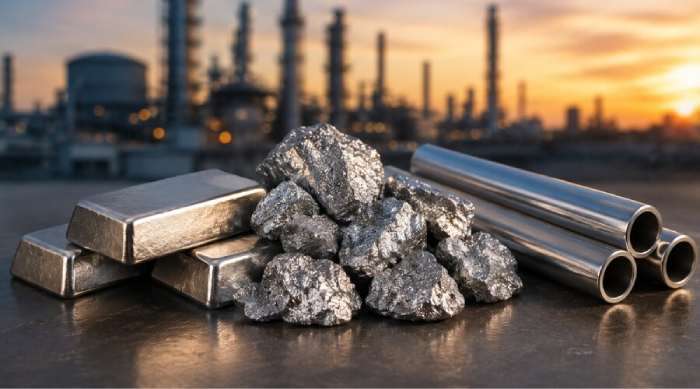
On its own, nickel is a solid metal corrosion resistant, fairly strong, stable across a wide temperature range. But its real value shows up once it's combined with elements like chromium, molybdenum, copper, or iron. Those combinations push performance well past anything nickel could manage by itself.
What you end up with is a family of alloys built to survive conditions that would wreck ordinary steel. Sustained heat above 1,000°C. Constant exposure to acids or chlorine-heavy environments. Cyclic stress that would fatigue most metals within months. This is exactly why nickel alloys keep showing up in the one part of a system that simply can't be allowed to fail.
Common Types of Nickel Alloys
Not every nickel alloy is built for the same purpose. Picking the right one comes down to what it actually needs to resist heat, corrosion, pressure, or some mix of the three.
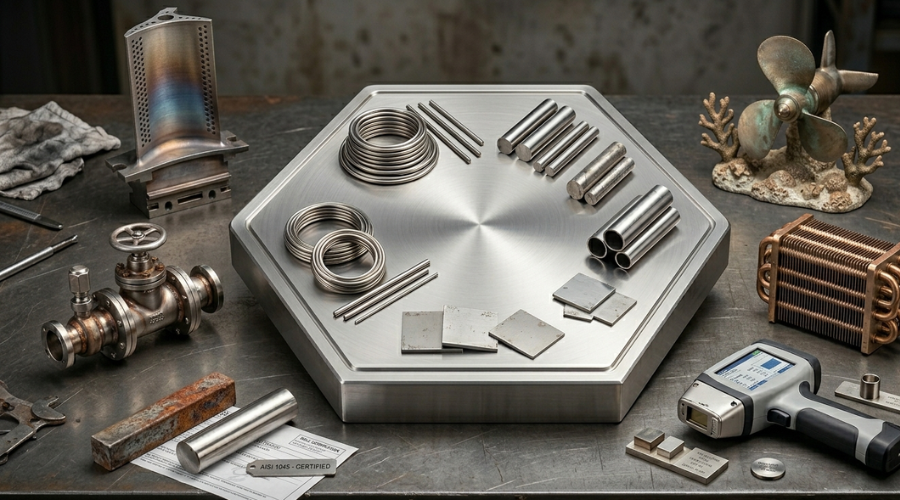
Inconel is probably the name most people recognize here. It holds its strength at very high temperatures and resists oxidation, which makes it the standard pick for gas turbine engines, exhaust systems, and other parts that live in extreme heat day in and day out.
Monel pairs nickel with a substantial amount of copper, giving it strong resistance to seawater and a range of acids. That's why it ends up in marine hardware, pumps, and valves that sit in saltwater for years at a time.
Hastelloy is built specifically to stand up to aggressive chemical environments, including strong acids. Chemical processing plants and pollution control systems lean on this grade heavily.
Then there's the Incoloy family nickel-iron-chromium alloys that balance heat resistance with a more reasonable price tag. You'll find these in heat exchangers and furnace components, where reliability matters but the most extreme performance isn't strictly required.
It's worth pulling nickel copper alloys out for a separate mention too. They sit in that sweet spot between strength and seawater resistance that's genuinely hard to find elsewhere and we go into more detail on our nickel copper alloy page if you want to dig further.
Why Industries Don't Just Use Cheaper Metals
Standard steel or basic stainless steel would be the easier, cheaper route for most of these applications. Industries avoid it for one simple reason: in these systems, failure isn't on the table.
Take aerospace. A turbine blade sits in extreme heat under constant mechanical stress, and a material that softens or loses integrity there isn't just inefficient it's dangerous. Nickel alloys keep their mechanical properties at temperatures where most metals would already be struggling.
Marine environments tell a similar story. Saltwater doesn't let up, and standard steel corrodes fast under that kind of constant exposure. Nickel copper alloys like Monel, on the other hand, can stay stable for decades. For ship hardware, underwater fittings, and desalination equipment, that gap in service life adds up to real savings over time, even with a steeper price tag upfront.
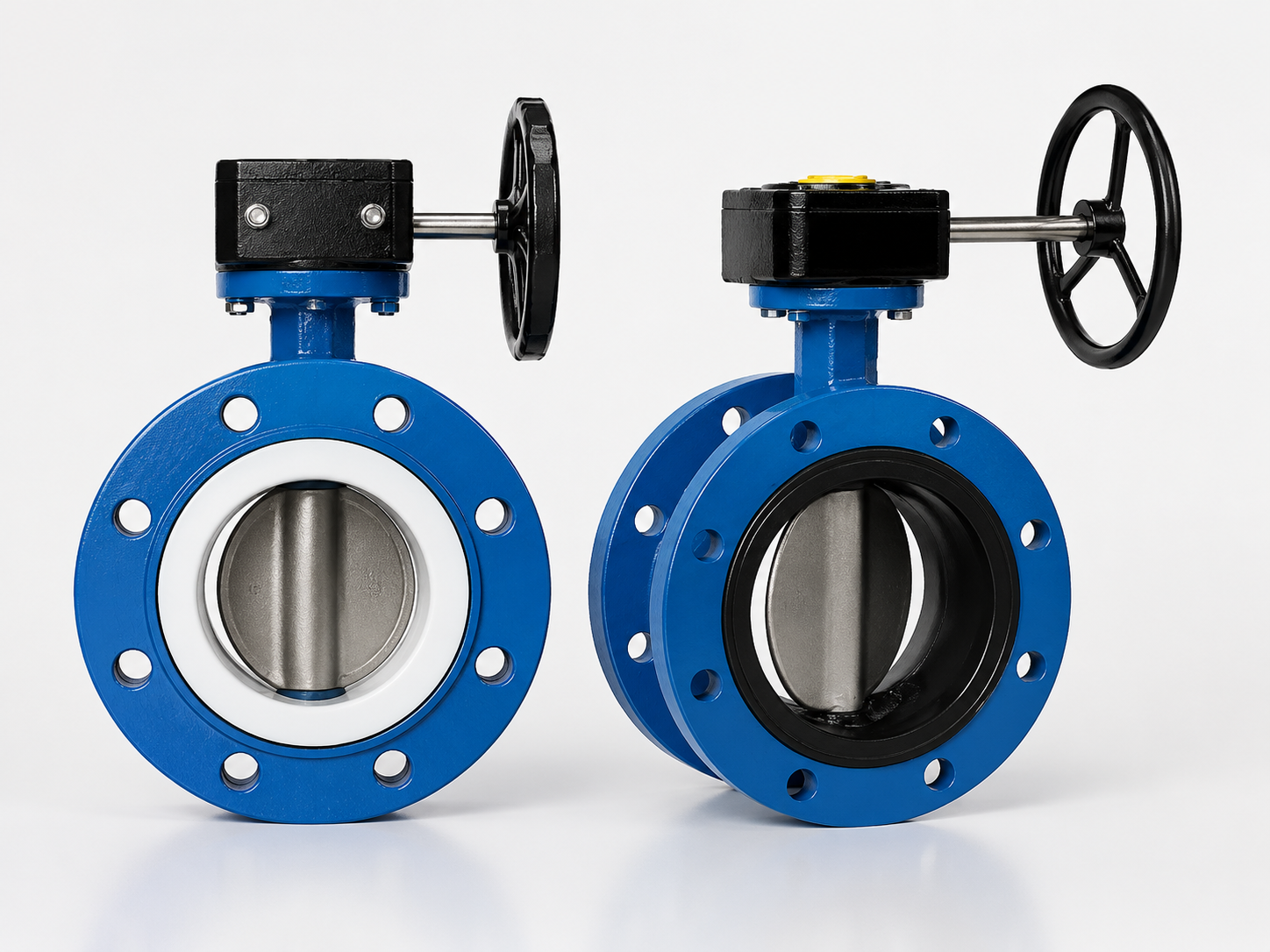
In oil & gas and chemical processing, equipment runs into sour gas, acids, and high-pressure steam on a regular basis. Hastelloy and similar alloys are formulated to resist exactly that kind of chemical attack which explains why they're so common in valves, piping, and reactor components across these industries.
How to Pick the Right Nickel Alloy
This isn't really about finding the "strongest" alloy. It's about matching the alloy's resistance profile to whatever your part will actually face.
Heat is the main concern? Start with Inconel-family alloys they're built to hold up well past where standard metals give up. Dealing with constant seawater or marine exposure? Monel or nickel copper alloys are usually the better call, given how well they handle chloride-driven corrosion. Aggressive acids or chemical exposure in the picture? Hastelloy grades tend to be the safer bet. And if budget matters as much as performance, Incoloy-type alloys often land in a reasonable middle ground without pushing into the highest-spec price range.
Fabrication is worth thinking about early too. Some of these alloys are noticeably harder to weld or machine than others, and that can affect both your timeline and your overall cost so it's a conversation worth having with your supplier before locking in a material.
Why Composition Testing Actually Matters Here
Nickel alloys live and die by precise elemental composition. Even a small deviation can throw off performance in ways that aren't visible until the part is under real stress. A batch that's slightly off-spec can still look completely normal sitting on a shelf.
That's where XRF (X-ray fluorescence) testing comes in. It lets a supplier confirm the exact elemental makeup of a batch before it ships, instead of relying on a label or a visual check. In industries where one failed component can mean a shutdown, a safety incident, or an expensive recall, that kind of verification isn't a nice extra it's what separates a supplier you can actually rely on from one you can't.
Wrapping Up
Nickel alloys exist because certain jobs ask for more than standard metals can give. Extreme heat inside a turbine, the slow grind of seawater corrosion, the chemical hostility of a processing plant in all of these, the right nickel alloy, properly sourced and verified, is usually what stands between long-term reliability and an early failure.
Platinum Metals Industries LLC distributes a full range of nickel-based alloys and nickel copper alloys, backed by ISO certification, XRF testing, and more than 15 years supplying industries across 30+ countries. If you're sourcing nickel alloys for an upcoming project, get in touch with our team to talk specs and request a quote.